

Did you know that you have a second nervous system in your gut? Called the enteric nervous system, this network of nerves extends from your esophagus all the way down through your stomach and intestines. It’s so important, it’s often referred to as a second brain.
While many people only associate the spine with your nervous system, we want to help patients understand the importance of proper gut health and what you can do to encourage an optimally functioning enteric system naturally.
Eat more whole grains. Foods like oats, bulger, and barley have fiber that helps the intestines with digestion and keeps things moving properly. Eating these types of foods has also been shown to raise the number of good bacteria in the gut, which is crucial for proper function.
Practice proper oral hygiene. Brushing and flossing your teeth each day and night, as well as sticking to your regularly scheduled dental checkups is critical for a healthy gut. Why? Poor oral health can lead to unhealthy bacteria in the mouth, which can actually infiltrate the gut.
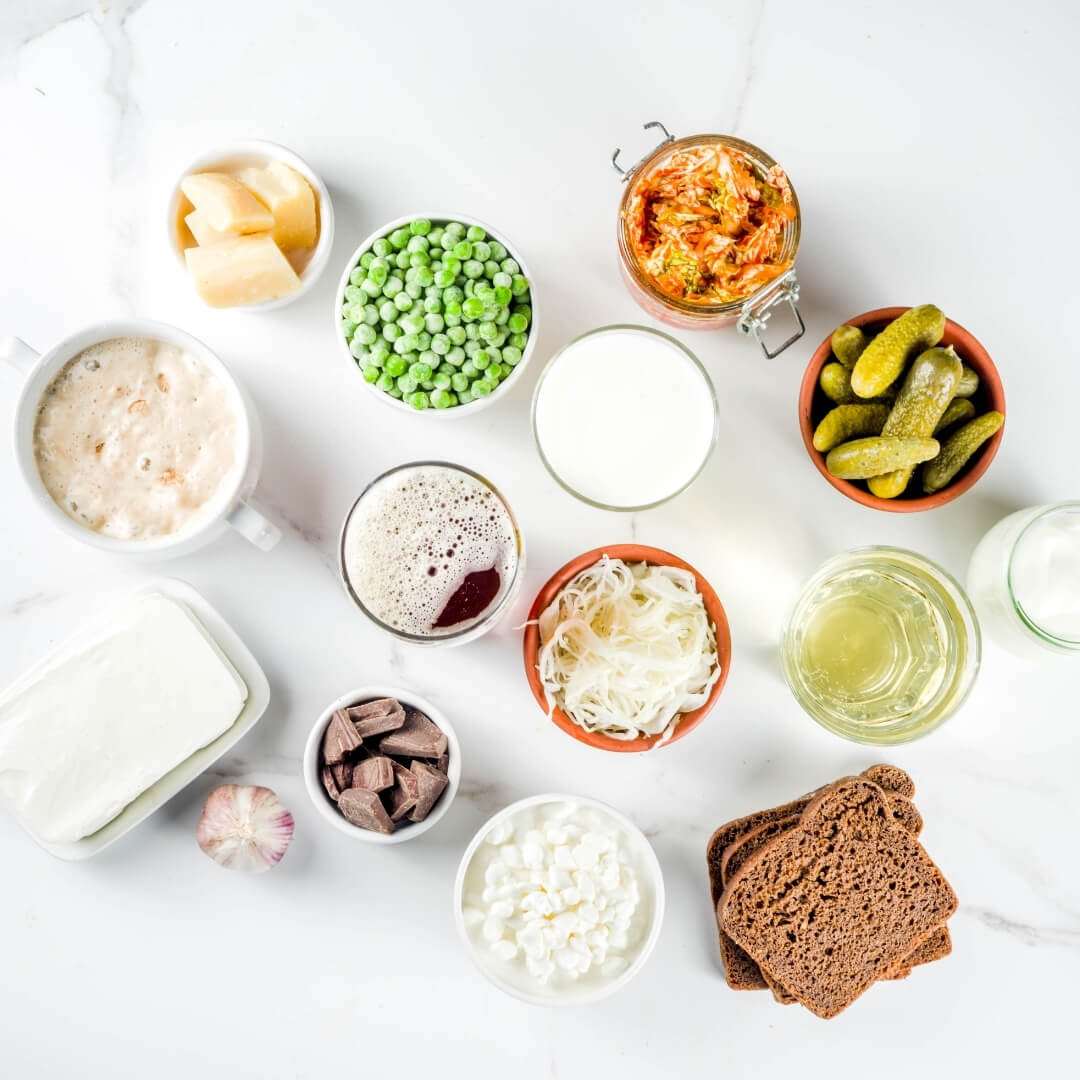
Eat dark chocolate…seriously. In case you were looking for a reason to consume more of your favorite candy, we’ll give you one. Dark chocolate is rich in fiber as well as polyphenols, which microbes in the gut use as fuel. Dark chocolate is also believed to have anti-inflammatory properties.
Spice up your life. Adding spices like turmeric, ginger, and garlic to your breakfasts, lunches or dinners may help stop unhealthy gut bacteria from growing.
Cut artificial sweeteners. Some research suggests that they can increase blood sugar levels and have an overall negative impact on the microbiome in your gut.
Feel like your nervous system is out of balance? Schedule a checkup with us to restore proper function. We look forward to seeing you in the practice soon for a focused, gentle adjustment.
*Source: https://www.ncbi.nlm.nih.gov/pmc/articles/PMC4615743/